

Battling Nuisance Algae in Your Reef Aquarium: Types, Causes, and Treatments
Reef aquariums are stunning underwater worlds, teeming with vibrant corals, fish, and invertebrates. But every reef keeper knows the frustration of nuisance algae outbreaks. These unwelcome guests can quickly turn your pristine tank into a green or slimy mess, outcompeting corals for space, light, and nutrients. Nuisance algae thrive on imbalances like excess nutrients (nitrates and phosphates), inadequate water flow, overfeeding, or improper lighting. The good news? With proper identification, you can tackle them using a mix of natural and chemical methods. In this article, we’ll explore the most common types of nuisance algae in reef tanks, what causes them, and effective treatment options. Remember, prevention through regular maintenance is always better than cure!
Green Hair Algae (GHA)
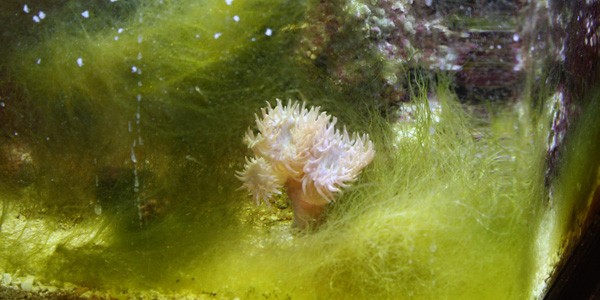
Green Hair Algae, often abbreviated as GHA, is a catch-all term for various filamentous green algae species like Derbesia or Enteromorpha. It appears as long, stringy strands or tufts that resemble hair, growing on rocks, glass, and equipment. In severe cases, it can blanket surfaces, shading corals and disrupting the tank’s aesthetics. Causes include high nitrates and phosphates from overfeeding, insufficient water changes, or poor filtration. Bright lighting and low water flow exacerbate growth.
Natural Treatments: Start with manual removal using a toothbrush or siphon during water changes to avoid spreading spores. Increase water flow with powerheads to prevent settling. Introduce a clean-up crew (CUC) like Turbo snails, hermit crabs, or algae-eating fish such as lawnmower blennies or tangs. Set up a refugium with macroalgae like Chaetomorpha to outcompete GHA for nutrients. Reduce feeding and perform 20-30% weekly water changes using RO/DI water to lower nutrients. 0 A UV sterilizer can also help by killing free-floating spores.
Chemical Treatments: Use phosphate removers like granulated ferric oxide (GFO) in a reactor to starve the algae. For stubborn cases, reef-safe algaecides like Reef Flux (fluconazole) can be effective, but dose carefully to avoid harming corals or beneficial bacteria. 24 Always monitor parameters and perform water changes post-treatment.
Cyanobacteria (Red Slime Algae)
Despite its name, Cyanobacteria—or “cyano”—isn’t true algae but a photosynthetic bacteria. It forms slimy, sheet-like mats in red, black, or green hues, often with bubbles trapped underneath. It’s common in new tanks or those with stagnant areas, releasing toxins that can irritate corals and fish. Root causes are excess organics, low oxygen, high nutrients, and poor flow.
Natural Treatments: Improve circulation with wavemakers to oxygenate the water and disrupt mats. Siphon out visible cyano during 30% water changes. Add biodiversity with copepods and amphipods, which graze on it indirectly. A refugium or macroalgae reactor competes for nutrients. Reduce lighting duration to 8-10 hours and avoid overfeeding. Herbivores like sea hares or certain snails can help, though they’re not always reliable eaters.
Chemical Treatments: Products like Chemiclean or Erythromycin target cyano specifically, but use them as a last resort since they can kill beneficial bacteria—follow up with a bacterial supplement. 14 Combine with GFO or activated carbon for nutrient control. Test for ammonia spikes after treatment.
Diatoms (Brown Algae)

Diatoms present as a brownish, dusty film on glass, sand, and rocks, common in cycling tanks. They’re single-celled algae with silica shells, giving them a gritty texture. They bloom due to silicates in tap water, high nitrates/phosphates, or new substrate. While not harmful in small amounts, heavy growth can smother corals.
Natural Treatments: Patience is key—they often fade as the tank matures. Use RO/DI water for changes to eliminate silicates. Snails like Cerith or Nerite, along with otocinclus catfish (if compatible), graze effectively. Increase flow and perform frequent partial water changes. A UV sterilizer prevents outbreaks by zapping spores. 15
Chemical Treatments: Silicate absorbers or diatom filters can clear them quickly. Avoid broad-spectrum algaecides; instead, focus on phosphate binders like GFO. In extreme cases, coagulants may help, but they risk clogging fish gills.
Bubble Algae (Valonia)

Bubble Algae, or Valonia ventricosa, looks like shiny green bubbles or grapes clustered on rocks. Each “bubble” is a single cell that can burst, releasing spores and worsening the infestation. It thrives in nutrient-rich water with moderate light and flow, often hitchhiking on live rock.
Natural Treatments: Manual removal is crucial—carefully pop and siphon bubbles outside the tank to avoid spore release. Emerald crabs or certain tangs may eat young bubbles. Boost competition with macroalgae and maintain low nutrients via water changes and skimming. Quarantine new additions to prevent introduction.
Chemical Treatments: Spot-treat with hydrogen peroxide or kalkwasser paste, but this is risky in reefs. Fluconazole-based products like Reef Flux can work, though they’re more targeted at hair algae. 6 Use GFO reactors for long-term nutrient control.
Bryopsis
Bryopsis is a feathery green algae resembling ferns, often mistaken for GHA in early stages. It’s notoriously tough, with deep roots that regrow quickly. Causes mirror other algae: excess nutrients and light, plus low magnesium levels.
Natural Treatments: Manual plucking with tweezers, followed by high-flow areas to dislodge remnants. Rabbitfish, sea hares, or lettuce nudibranchs are avid eaters. Elevate magnesium to 1400-1600 ppm naturally through supplements. Refugiums and UV help prevent regrowth. 3
Chemical Treatments: Fluconazole (Reef Flux) is the go-to for Bryopsis, as it disrupts cell walls without harming most corals. 24 Dose per instructions and monitor for side effects.
Dinoflagellates (Dinos)

Dinoflagellates appear as brownish, stringy slime with air bubbles, sometimes toxic to inverts. They’re resilient, thriving in low-nutrient environments—ironically, ultra-clean tanks can trigger them. Poor biodiversity and lighting imbalances contribute.
Natural Treatments: Blackouts (3-5 days with no light) combined with siphoning. Boost beneficial microbes with live phytoplankton or copepods. Raise pH to 8.4+ and add nitrates/phosphates temporarily to outcompete them. UV sterilizers are highly effective. 14 Introduce diverse CUC, but avoid overstocking.
Chemical Treatments: Avoid most chemicals, as dinos rebound stronger. Some use metronidazole or hydrogen peroxide dips, but these are off-label and risky. Focus on carbon dosing or GAC (granular activated carbon) for organics removal.
Turf Algae
Turf Algae refers to short, matted patches of green or red filaments, like a fuzzy carpet. It’s aggressive, outcompeting coralline algae on rocks. High nutrients, low herbivores, and moderate light fuel it.
Natural Treatments: Scrub with a brush during changes. Urchins, tangs, and blennies graze well. Improve flow and add macroalgae for nutrient export. 5
Chemical Treatments: Hydrogen peroxide spot treatments or kalk paste. GFO and carbon filtration address root causes.
Wrapping Up: Prevention Is Key
Nuisance algae are a rite of passage for reef keepers, but they’re manageable with diligence. Always address underlying issues like nutrient control through protein skimmers, refugiums, and RO/DI water. Test parameters weekly, quarantine new arrivals, and build a balanced ecosystem with diverse life. If chemicals are needed, opt for reef-safe options and follow up with water changes. With these strategies, your reef can stay algae-free and thriving. Happy reefing!