

Common Coral Pests in Reef Aquariums: Identification and Remedies for SPS, LPS, and Soft Corals
At Frag Flow we do everything we can to ensure our corals are healthy and pest free. We will never sell a coral on our website that we feel does not meet our high standards of quality. Whichever coral shop you decide to get your corals from, proper husbandry and quarantine is ultimately customers responsibility. You need to take care and protect your reef tank by doing your own due diligence and ensuring any new additions to your tank don't jeopardize what you already have.
Maintaining a thriving reef aquarium requires vigilance against common coral pests that can hitchhike into your tank and wreak havoc on your prized corals. Whether you’re dealing with SPS coral pests, LPS coral pests, or soft coral pests, early identification and effective remedies are key to protecting your reef ecosystem. In this guide, we’ll cover the most prevalent coral pests, how to spot them, and proven coral pest remedies to help you restore balance in your aquarium. By understanding these threats, you can prevent widespread damage and keep your reef tank healthy.
Let's get into the article!
SPS Coral Pests: Protecting Your Small Polyp Stony Corals
SPS corals, like Acropora and Montipora, are stunning but susceptible to specific pests that feed on their delicate tissues. Here are some of the most common SPS coral pests, along with identification tips and remedies.
Acropora Eating Flatworms (AEFW)
Acropora Eating Flatworms are small, translucent or brownish flatworms that primarily target Acropora species, causing tissue recession and white spots where they’ve fed. They are often hard to spot during the day but become visible at night or under close inspection. These pests reproduce quickly, laying eggs on coral skeletons, which can lead to rapid infestations if not addressed.
Remedies: Dip affected corals in a commercial coral dip like Coral Rx or Revive for 5-10 minutes to dislodge the flatworms. For tank-wide treatment, use medications such as fenbendazole (e.g., Flatworm Exit), but be cautious as it can harm other invertebrates. Quarantine new corals and introduce natural predators like certain wrasses. Regular dipping and inspection are essential for prevention.

Red Bugs (Tegastes acroporanus)
Red Bugs are tiny, mite-like crustaceans that appear as small red dots on Acropora corals. They suck the life out of SPS corals, leading to slowed growth, color loss, and eventual tissue necrosis. Infestations are common in frags and can spread quickly in densely stocked tanks.
Remedies: The most effective treatment is using milbemycin oxime-based medications like Interceptor (a dog heartworm pill, dosed carefully for aquariums). Perform multiple treatments over weeks to target eggs. Dips with iodine or hydrogen peroxide can help for isolated corals, but always quarantine new additions. Natural predators like certain dragonets may provide biological control.

Montipora Eating Nudibranchs
These small, slug-like creatures blend in with Montipora corals, often mimicking their color and texture. They feed on the coral’s tissue, creating bare patches and discoloration. Eggs appear as white spirals on the coral surface, signaling an active infestation.
Remedies: Manual removal with tweezers or a turkey baster during lights-off periods is a start. Dip corals in potassium permanganate or a dedicated nudi dip. For severe cases, introduce predators like Chelidonura varians (blue velvet nudibranchs). Consistent quarantine and weekly inspections prevent reoccurrence.

LPS Coral Pests: Safeguarding Your Large Polyp Stony Corals
LPS corals, such as Euphyllia and Acanthastrea, have fleshy polyps that attract pests looking for easy meals. Below are common LPS coral pests and how to handle them.
Flatworms (Planaria)
Flatworms are small, brown or reddish pests that crawl over LPS corals, irritating tissues and potentially causing recession. They’re often seen in clusters on the coral surface or substrate, thriving in nutrient-rich tanks.
Remedies: Use siphoning or a turkey baster for manual removal. Chemical treatments like Flatworm Exit work well, followed by water changes to remove toxins. Boost water quality with protein skimmers and add predators like six-line wrasses. Always dip new LPS corals.

Pyramidellid Snails
These parasitic snails attach to LPS corals or clams, drilling into tissues to feed. They appear as small, cone-shaped shells, often hidden at the base of corals, causing localized damage and stress.
Remedies: Physically remove with tweezers. Introduce wrasse species like yellow coris wrasses as natural predators. Quarantine and dip incoming corals with freshwater or iodine solutions to prevent introduction.

Vermetid Snails
Vermetid Snails build tube-like shells and extend mucous nets that irritate LPS polyps, leading to closure and potential starvation. They’re identified by their irregular, worm-like tubes on rocks or corals.
Remedies: Break off tubes with bone cutters and super glue over openings. Bumblebee snails can prey on them. Improve flow and reduce feeding to limit growth. Avoid chemicals, as they’re hardy.
Soft Coral Pests: Defending Your Softies and Polyps
Soft corals like Zoanthids and Leather corals are resilient but not immune to pests. These common soft coral pests can overrun your tank if unchecked.
Aiptasia Anemones
Aiptasia are fast-spreading anemones with long tentacles that sting nearby corals, causing retraction and damage. They start small but clone rapidly, often entering via live rock.
Remedies: Inject with lemon juice, kalkwasser paste, or commercial products like Aiptasia-X. Biological controls include peppermint shrimp or Berghia nudibranchs. Prevent by quarantining rock and corals.
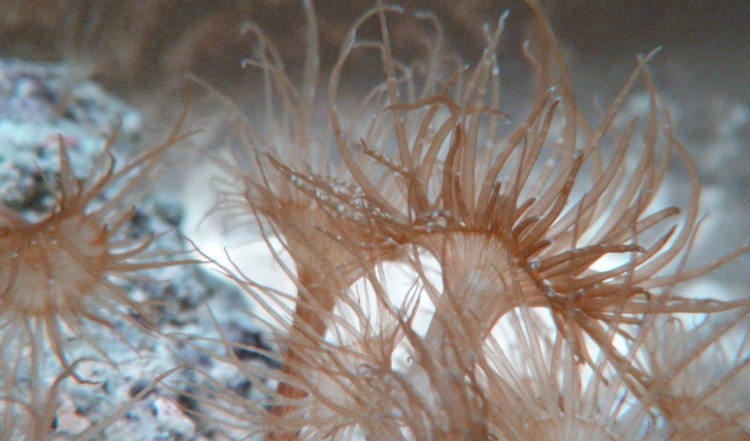
Majano Anemones
Similar to Aiptasia but with shorter, bulbous tentacles, Majano Anemones sting soft corals and spread via fragmentation. They’re colorful but invasive.
Remedies: Manual removal or injection with vinegar/acetic acid. Copperband butterflies or filefish can eat them. Use gloves to avoid stings during handling.

Asterina Starfish
These small starfish munch on coralline algae but some variants target soft corals, leaving scars. They’re flat with uneven arms and multiply by fission.
Remedies: Remove manually with traps or tweezers. Harlequin shrimp are excellent predators but will need alternative food post-eradication. Monitor populations closely.

Zoanthid Eating Nudibranchs
These nudibranchs camouflage as Zoanthid polyps, feeding on them and laying eggs that hatch more pests. They cause polyps to close and melt away.
Remedies: Dip in iodine or freshwater. Remove eggs and adults manually. Predators like wrasses help, but repeat treatments are needed for eggs.

In conclusion, tackling common coral pests in your reef aquarium starts with prevention through quarantine and dips. Regular maintenance and quick action on remedies will keep your SPS, LPS, and soft corals thriving. If you’re facing a persistent issue, consult reef forums or experts for tailored advice.
Happy reefing!