

Top 5 Utility Fish to Keep Your Reef Tank Pest-Free: Natural Solutions for Reef Tank Maintenance
Maintaining a thriving reef tank is a rewarding yet challenging endeavor for aquarium enthusiasts, especially when it comes to reef tank pest control. One of the biggest hurdles in saltwater aquarium care is dealing with pests that can overrun your carefully curated underwater ecosystem. Common issues like algae blooms, aiptasia anemones, flatworms, bristleworms, and nudibranchs can wreak havoc, stressing corals and disrupting the balance of your marine aquarium. While chemical treatments and manual removal are options for pest management in reef tanks, they often come with risks such as harming beneficial organisms or causing water parameter swings. This is where utility fish shine—they act as natural pest controllers, integrating seamlessly into your reef community while providing ecological benefits for overall reef tank maintenance.
Utility fish are species valued not just for their aesthetics but for their functional roles in tank maintenance and natural pest control in saltwater aquariums. They graze on unwanted growths, hunt small invertebrates, and help prevent outbreaks without the need for harsh interventions. Choosing the right ones depends on your tank size, existing inhabitants, and specific pest issues, such as algae control or aiptasia removal. In this blog post, we’ll outline the top 5 utility fish that can help keep your reef tank pest-free. Each selection is based on their proven effectiveness in controlling common nuisances, backed by insights from reef-keeping communities and experts in marine aquarium pest management. We’ll cover their behaviors, pest-targeting abilities, care requirements, and potential drawbacks to help you make informed decisions for your saltwater reef setup.
Before diving in, remember that no single fish is a miracle worker for reef tank pest control. A balanced approach combining utility fish with proper husbandry—like stable water parameters, adequate lighting, and regular maintenance—is key to long-term success in saltwater aquarium care. Aim for a specific gravity of 1.024-1.026, pH between 8.1-8.4, and temperatures around 75-80°F for most reef setups. Also, quarantine new additions to prevent introducing diseases or more pests into your marine aquarium. Now, let’s explore these helpful finned allies for natural algae eaters and pest hunters in reef tanks.

1. Six Line Wrasse (Pseudocheilinus hexataenia): Best Wrasse for Reef Tank Pest Control
The Six Line Wrasse is a staple in many reef tanks for its pest-hunting prowess and vibrant appearance, making it one of the best wrasses for reef tank maintenance. This small, colorful fish, reaching about 3 inches in length, features striking blue and orange stripes that make it a visual delight. Native to the Indo-Pacific, it’s an active swimmer that darts among live rock and corals, constantly on the lookout for troublemakers in your saltwater aquarium.
What makes the Six Line Wrasse a top utility fish for natural pest control in reef tanks? It’s renowned for controlling a variety of small pests, including flatworms, nudibranchs, and pyramid snails. These wrasses use their keen eyesight and agility to pick off parasites and unwanted invertebrates that might otherwise multiply unchecked. In one expert analysis, it’s highlighted as a go-to for handling flatworms and other micro-pests that can plague SPS corals. Additionally, they may snack on bristleworms if populations get too high, though bristleworms are often beneficial detritivores in moderation, contributing to overall reef tank health.
Care for a Six Line Wrasse is straightforward but requires attention to compatibility in marine aquariums. They thrive in tanks of 30 gallons or larger with plenty of hiding spots and live rock for foraging, ideal for reef tank setups focused on pest management. Feed them a varied diet of frozen mysis shrimp, brine shrimp, and high-quality pellets to supplement their natural hunting. They’re generally reef-safe but can be territorial toward other wrasses or similarly shaped fish, so introduce them last in community setups. Watch for aggression in smaller tanks, as they might bully shy inhabitants like gobies during reef tank stocking.
Pros include low maintenance and effective pest control without chemicals, perfect for natural solutions in saltwater aquariums. Cons? Their feisty nature can lead to conflicts, and they’re jumpers, so a tight lid is essential. Overall, if you’re battling tiny pests, this wrasse is an excellent first line of defense, often keeping populations low enough to prevent outbreaks in your reef tank.

2. Copperband Butterflyfish (Chelmon rostratus): Top Fish for Aiptasia Control in Reef Tanks
For reef keepers tormented by aiptasia anemones, the Copperband Butterflyfish is often hailed as a natural eradicator, standing out as a top fish for aiptasia control in saltwater aquariums. This elegant fish, with its long snout and striking copper bands against a white body, grows to about 8 inches and originates from the Indo-Pacific reefs. Its beak-like mouth is perfectly adapted for probing crevices, making it ideal for targeting hard-to-reach pests in reef tank maintenance.
Primarily, the Copperband excels at controlling aiptasia, those invasive glass anemones that sting corals and spread rapidly, a common issue in marine aquarium pest management. Many aquarists report success with this fish devouring aiptasia colonies, sometimes clearing a tank in weeks. It may also pick at majano anemones and even feather duster worms if they’re overgrown. However, success isn’t guaranteed—some individuals ignore aiptasia, preferring prepared foods instead. To encourage pest-eating, introduce them to a tank with established pests and minimal competition for effective natural pest control.
Care requirements are more demanding than some utility fish for reef tanks. They need a mature tank of at least 75 gallons with excellent water quality, as they’re sensitive to nitrates and poor conditions in saltwater setups. Feed a mix of live or frozen foods like clams, mussels, and enriched brine shrimp to mimic their natural diet; vitamin supplements help prevent nutritional deficiencies. They’re generally reef-safe but might nip at LPS corals or clams if hungry, so monitor closely during reef tank monitoring.
Pros: Effective aiptasia control and stunning aesthetics for marine aquariums. Cons: Finicky eaters with a higher mortality rate in captivity, plus they’re prone to ich and other diseases. Quarantine is crucial. If you’re patient and provide top-notch care, the Copperband can be a game-changer for anemone-infested tanks, enhancing your overall reef tank pest-free strategy.

3. Lawnmower Blenny (Salarias fasciatus): Natural Algae Eaters for Reef Tank Algae Control
Algae is one of the most common “pests” in reef tanks, often resulting from excess nutrients or lighting imbalances, making natural algae eaters essential for reef tank maintenance. Enter the Lawnmower Blenny, a quirky, algae-munching machine that keeps your rocks and glass spotless. This fish, growing to 5 inches, has a comical, elongated body with mottled brown and green camouflage, hailing from the Indo-Pacific, and is a favorite for algae control in saltwater aquariums.
Its primary role is algae control—it grazes relentlessly on filamentous hair algae, diatoms, and microalgae, preventing unsightly blooms that can smother corals in marine setups. In beginner tanks, it’s especially useful during the initial cycling phase when algae spikes are common, supporting natural pest management. While not a pest hunter like wrasses, its herbivorous habits indirectly support pest-free conditions by maintaining a clean environment in reef tanks.
For care, a 30-gallon tank with ample rockwork suffices, as they perch on surfaces and need perches for observation in saltwater aquarium designs. Supplement their diet with algae sheets or veggie clips if natural growth dwindles; otherwise, they might starve. They’re peaceful but territorial with other blennies, and they’re excellent jumpers—secure that lid for safe reef tank keeping!
Pros: Reliable algae eater, hardy, and entertaining to watch, ideal for natural algae control. Cons: May ignore certain algae types like bryopsis, and over-reliance can lead to malnutrition if algae runs out. Pair it with other utility fish for comprehensive coverage in your marine aquarium.
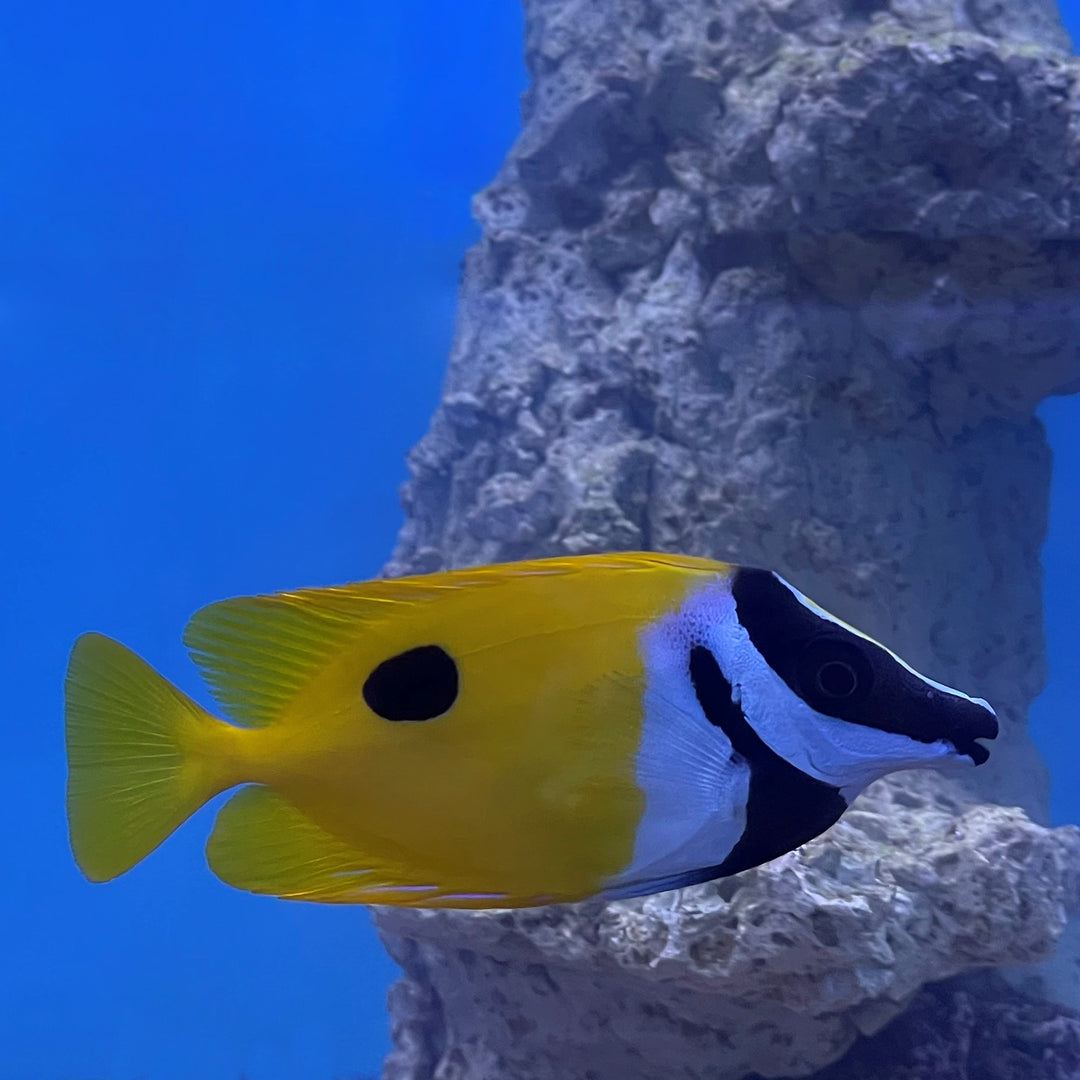
4. Foxface Rabbitfish (Siganus vulpinus): Versatile Utility Fish for Macroalgae Control in Saltwater Aquariums
The Foxface Rabbitfish combines algae control with a touch of pest management, making it a versatile utility fish for macroalgae control in reef tanks. This bold fish, up to 9 inches long, sports a fox-like face with venomous spines and a bright yellow body fading to black, native to the Western Pacific, adding vibrancy to marine aquariums.
It’s a powerhouse against macroalgae like bubble algae and valonia, using its strong jaws to mow down tough growths that other herbivores avoid, perfect for advanced reef tank maintenance. Some variants, like the Magnificent Foxface, are even better at this. While not primarily a pest hunter, it may deter some invertebrates and contributes to overall tank hygiene in saltwater setups.
Care needs a 70-gallon tank minimum due to its size and swimming needs for healthy reef tank environments. Feed nori, spirulina, and vegetable matter; they’re hardy but watch for ich. The spines can sting, so handle with care during maintenance for safe marine aquarium practices.
Pros: Broad algae control, hardy, and adds color to reef tanks. Cons: Grows large, potential for nipping corals if underfed, and venomous spines. Ideal for larger setups with algae issues in pest-free strategies.
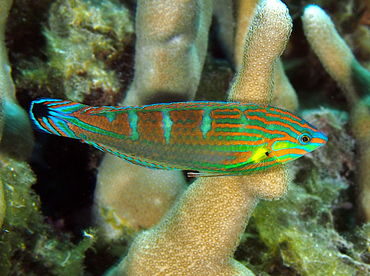
5. Melanurus Wrasse (Halichoeres melanurus): Effective for Worm and Flatworm Control in Marine Aquariums
Rounding out our list is the Melanurus Wrasse, a pest-control specialist that’s gaining popularity for its efficiency in worm and flatworm control in reef tanks. This 5-inch fish boasts iridescent blue-green scales with orange accents, originating from the Indo-Pacific, and is a great addition for natural pest management.
It targets a range of pests including flatworms, bristleworms, and fireworms, burrowing into sand to hunt at night, supporting overnight reef tank maintenance. It’s particularly effective against pyramid snails and can reduce unwanted snail populations in saltwater aquariums. Like other wrasses, it promotes a pest-free environment by keeping micro-fauna in check.
Provide a 50-gallon tank with a sand bed for burrowing and live rock for cover, essential for active marine aquarium inhabitants. Diet includes meaty foods like shrimp and pellets. They’re peaceful but may chase small inverts, so avoid with decorative shrimp in reef tank compatibility planning.
Pros: Excellent for worm and flatworm control, active and colorful for engaging saltwater setups. Cons: Needs a lid to prevent jumping, and may eat beneficial pods if overstocked. A great addition for mature tanks focused on pest control.
Conclusion: Achieving a Pest-Free Reef Tank with Utility Fish
Incorporating these top 5 utility fish—the Six Line Wrasse, Copperband Butterflyfish, Lawnmower Blenny, Foxface Rabbitfish, and Melanurus Wrasse—can significantly reduce pest issues in your reef tank naturally, enhancing overall saltwater aquarium maintenance. Each brings unique strengths, from natural algae eaters to aiptasia control fish, helping maintain a balanced, healthy ecosystem in marine aquariums. Remember, success hinges on matching fish to your setup, monitoring interactions, and upholding best practices for reef tank pest control. Start with one or two based on your pests, and observe their impact. With patience, your reef can flourish pest-free, showcasing the beauty of marine life.